Commercial Waste in Swiss Cottage for organised, compliant business disposal
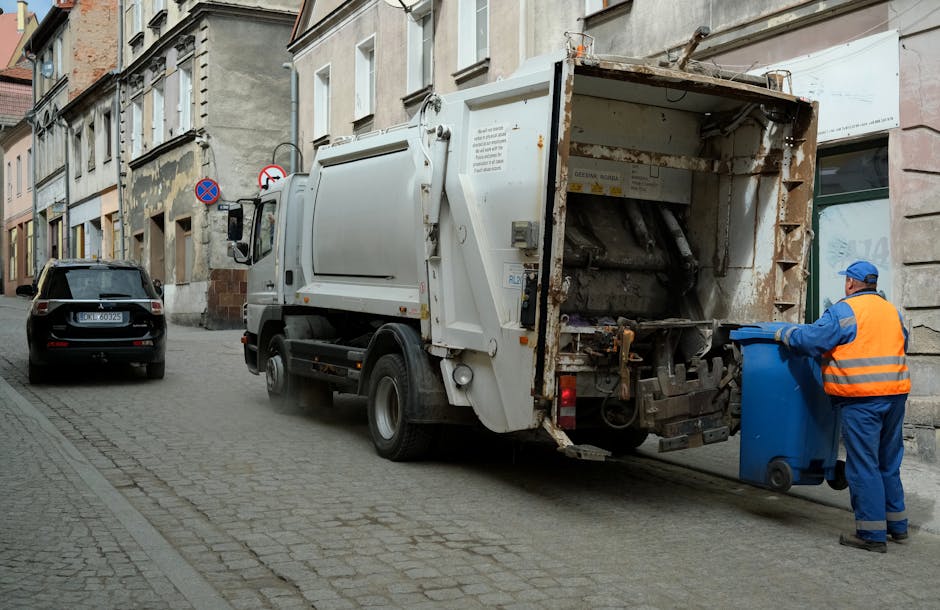
Commercial waste in Swiss Cottage needs a practical, reliable approach when day-to-day business rubbish starts to build up. Our service covers the collection and removal of mixed commercial waste, with a focus on keeping premises clear, operations orderly and disposal straightforward. If your workplace produces regular bags, bulky items or confidential-looking waste that must be handled carefully, we provide a service designed around that commercial setting rather than domestic clear-outs.
We support a range of business waste needs, from routine uplifts to larger one-off removals. That can include packaging, office refuse, unwanted stock, fixtures, fittings and other non-hazardous materials that businesses commonly need to remove. Where separate streams are sensible, we can keep recyclable material, reusable items and general waste distinct so the clearance is easier to manage and easier to understand.
For a quotation, it helps to note the main waste types, the access at the site and whether the load is regular or a one-off. You can also request details through our pricing and quotes information, then decide how best to schedule the work. If you are comparing options, start with a brief description of the volume and the kind of premises involved.
Routine business waste collections
Regular commercial waste collections suit shops, offices, studios, shared premises and other workplaces that generate ongoing rubbish. Rather than allowing bins, sacks and loose material to gather, a planned uplift keeps the site tidier and supports a simpler back-of-house routine. We deal with the removal side, while you decide how often the service should fit the rhythm of your business.
The exact collection pattern depends on the waste produced. Some properties mainly need light bagged waste taken away, while others accumulate cardboard, damaged display materials, old paperwork, packaging bands or small broken items. A sensible arrangement separates what can be recycled from what needs general disposal. Where relevant, our business waste removal service gives a clear route for commercial premises that need an organised, repeatable uplift rather than a one-off clear-out.
For many customers, the key decision is whether the waste stream is predictable enough to schedule or varied enough to need occasional flexible collection. Either approach can work well if access is sensible and the load is described accurately. If the waste changes seasonally, such as after stock rotation or refurbishment, it is usually worth planning the uplift around those peaks instead of leaving it to chance.
Office and workspace clearances

Offices often need waste removal that goes beyond simple bag collection. Desks, chairs, storage units, screens, shelving, files and general workspace clutter can all build up when equipment is replaced or layouts change. Our office waste service is intended to help with that wider mix, taking away the items that no longer serve the workspace and leaving the room easier to use.
Where an office is being reconfigured, it may be useful to separate everyday rubbish from furniture and equipment that needs a different disposal route. That is especially true if the site contains a mix of broken fittings, recyclable metal, timber items and paper-based waste. The office clearance page is relevant where the job is broader than routine rubbish and involves clearing work areas, storage spaces or surplus workplace contents.
Useful preparation does not need to be complicated. A short inventory, a note of access constraints and an indication of any heavy items usually gives enough context for an accurate response. If photographs are available, they can help describe the amount and type of waste, but the main point is simply to explain what should go and what must stay. That keeps the service focused and avoids unnecessary delays.
Bulky items, furniture and fit-out waste

Commercial premises frequently end up with awkward bulky waste that ordinary bins cannot handle. Office chairs, tables, shelving, counters, sofas, reception seating and similar items often need manual removal and sensible sorting at the point of collection. Our service can include these larger pieces alongside the smaller waste that accumulates around them, which is useful when a premises is being emptied or refreshed.
Where furniture forms a major part of the load, it can help to think about whether the items are still reusable, partially damaged or simply no longer wanted. That affects the likely disposal route and the way the clearance is organised. The furniture clearance page suits mixed items that need to be removed carefully, while furniture disposal is a useful destination when the focus is on getting individual pieces or grouped items out of the premises responsibly.
If your workspace includes upholstered items, awkward frames or heavier units, access and handling matter as much as quantity. Narrow stairways, shared corridors and lift restrictions can all affect how the removal is approached. Clear access information lets the collection be planned properly, especially where furniture has to be carried through active commercial areas without disrupting staff or customers for longer than necessary.
Clearances for stockrooms, garages and storage spaces
Back rooms, stock areas and storage spaces often become catch-all places for packaging, old stock, broken equipment and forgotten materials. When these areas fill up, they can make it harder to locate useful items and harder to keep the premises safe and organised. Our commercial waste service can remove accumulated contents from these locations and restore a more workable space.
Some spaces need more than simple waste collection. A garage, basement, rear store or cupboard may contain a mixture of general waste, outdated displays, seasonal stock and redundant tools or fittings. For that kind of work, it helps to choose the most relevant service page, such as garage clearance, when the job is chiefly about clearing a storage area rather than collecting a standard bin load. The same principle applies to other mixed storage spaces where the contents have gathered over time.
These jobs are usually easier when the customer decides in advance what should be removed and what should remain. That distinction matters if the area holds shared property, archived material or equipment still in use. We can then focus the clearance on the agreed waste, keep handling efficient and avoid disturbing the parts of the space that are meant to stay operational.
Waste streams and disposal options
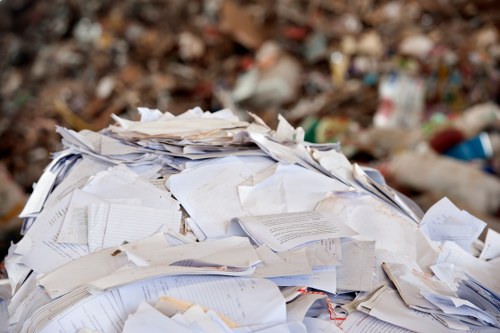
Commercial waste is rarely all of one kind. Most premises generate a mixture of general rubbish, recyclable packaging, obsolete items and occasional specialist material. A good removal plan starts by separating those waste streams where practical, because that helps with sorting and disposal. It also makes it easier to decide whether the load is better treated as general business waste, a bulky item collection or a more specific disposal task.
Some items need a more particular route than ordinary mixed waste. Appliances, screens, shredding, mattresses, sofas and certain materials may call for a targeted service depending on what they are and how they were used. If your business is dealing with such items, the following pages may be useful: fridge and appliance removal, confidential shredding, mattress and sofa disposal and hazardous waste disposal. Each one serves a different disposal need, so the most suitable choice depends on the waste itself.
Where a job includes several categories, the simplest route is to describe them together and let the disposal method follow the material. That approach keeps the service practical and avoids overcomplicating the enquiry. It also means we can point the work toward the right page or process rather than forcing everything into one generic category.
Pricing factors and quotation details
Commercial waste quotations usually depend on the type of material, the amount to be removed, access to the site and whether the work is a routine uplift or a one-off clearance. Heavy items, mixed loads and awkward access can all affect how the job is organised. It is better to give a clear description of the waste than to guess at a category that does not quite fit.
Where a premises has more extensive surplus material, it may be worth looking at one of the broader clearance pages, such as house clearance, home clearance or flat clearance, if the load is more about clearing contents than ongoing business refuse. For commercial customers, however, the key question is usually whether the waste is part of normal operations or the result of a change in occupancy, layout or stock. That distinction helps determine the fairest and most suitable estimate.
For a helpful quotation, describe the item types, the approximate volume and any access issues in one message. If the premises have loading restrictions, shared entrances or limited parking, those details are worth including as well. You do not need a long explanation; a direct description is usually enough to guide the next step. The more precise the outline, the easier it is to match the right removal approach.
Responsible sorting and disposal choices
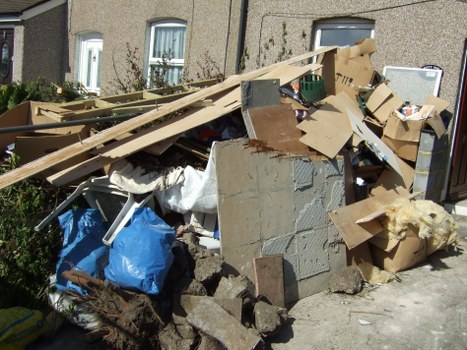
Responsible waste handling starts before the load leaves the property. A commercial site may produce recyclable cardboard, reusable office furniture, mixed rubbish and items that should be treated separately. Sorting at source does not have to be elaborate, but it does help to keep the waste stream organised and to make sure the right material follows the right disposal route. That is especially useful when a premises is under time pressure and needs the area cleared methodically.
The decision often comes down to whether the material is suitable for a general removal or whether a dedicated service is more appropriate. For example, a standard office uplift may share space with documents that need secure destruction, or with appliances that need a separate collection. Where relevant, the best pages to review are the ones that match the actual waste type rather than a broad label. In practical terms, that keeps the work accurate and avoids unnecessary handling.
When you are ready, ask for a quotation and include the waste type, access notes and any timing preferences. You can use the service that fits best, then move forward with a clear idea of how the removal will be handled. If the job is commercial waste in Swiss Cottage, a concise enquiry is usually all that is needed to start the process.
About Swiss Cottage
Swiss Cottage is an area in the London Borough of Camden, in north-west London, centred on the busy junction where Finchley Road meets Avenue Road and Adelaide Road. The name is associated with the Swiss Tavern that once stood in the district, and the area later developed as a recognisable urban node along one of the city’s main north-west corridors. Today it sits close to Belsize Park, St John’s Wood and Hampstead, while remaining distinct in its own right. Its scale is more civic and transport-oriented than village-like, with streets, squares and larger road patterns shaped by long-running urban growth rather than a single planned estate.
The area is known for the circular Swiss Cottage Library, a modern landmark designed by Sir Basil Spence and opened in 1964, together with the nearby Swiss Cottage Leisure Centre. The surrounding roads include a mix of residential terraces, mansion blocks and later developments, reflecting the changing character of this part of Camden over time. Regent’s Park is not far to the south-east, and Primrose Hill lies within the wider local geography, while the immediate district remains strongly identified with the junction and its transport connections. Swiss Cottage Underground station, on the Jubilee line, reinforces that sense of a place organised around movement and access.
Additional commercial waste services
Some jobs around a business premises are better handled as a full contents removal than as an ordinary rubbish pickup. If the waste has built up in a loft, shed, rear room or underused storage area, the broader clearance pages can be useful. The right choice depends on the space, the amount of material and whether the contents are mostly business-related or a mix of different item types. A careful match between the waste and the service keeps the process simpler.
For larger interior clearances, the relevant options include loft clearance, garden clearance and builders waste clearance. Those pages suit different kinds of accumulated material: stored contents, outdoor waste or debris left after building work. If the job is broader still, the main waste removal service gives a general route for mixed collections where the waste does not fit neatly into one narrower category.
It can help to think about the purpose of the job before choosing a service. Is the goal to remove routine rubbish, clear a storage area, dispose of a few bulky items or deal with material left after works? That simple distinction usually points to the most suitable page and makes it easier to request the right quotation without adding unnecessary complexity.
Plan your collection
Good planning usually makes a commercial waste removal smoother. If the premises is active, it can be useful to identify where the waste will be gathered, who can provide access and whether there are any items that should be handled separately. That kind of basic preparation helps avoid confusion on the day and keeps the collection focused on the agreed load.
We also recommend thinking about the timing of the uplift. Some businesses prefer to fit removal around quieter trading periods, while others need the waste taken away after a move, refit or stock change. If the job includes items that need a specific disposal route, list them clearly so the collection can be matched to the right service. The most useful enquiries are usually short, direct and specific.
When you are ready to move forward, visit our contact us page and request a quotation for commercial waste in Swiss Cottage. If you prefer to compare the service structure first, you can also review our pricing and quotes information before sending the details.