Swiss Cottage rubbish removal guide for Finchley Road homes
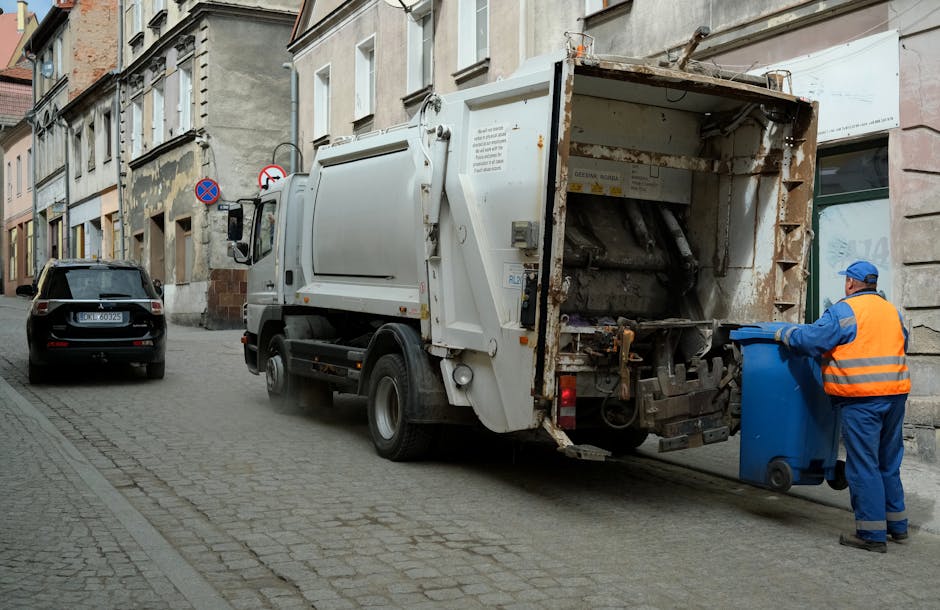
If you live near Finchley Road, rubbish has a way of piling up faster than you expect. A broken wardrobe in the hallway, a few bags from a loft sort-out, a sofa that no one wants to carry down the stairs... and suddenly the flat feels smaller, messier, and more stressful than it should. This Swiss Cottage rubbish removal guide for Finchley Road homes is here to make the whole thing feel far more manageable.
Whether you are clearing out after a move, dealing with builders' debris, or just trying to get on top of household clutter, the right approach saves time, avoids hassle, and helps you choose a service that actually fits your home. Let's face it, in a busy London neighbourhood, convenience matters. So does trust. And yes, so does knowing what can go where.
Below you will find a practical, human guide to how rubbish removal works in Swiss Cottage, what to expect around Finchley Road homes, and how to avoid the usual mistakes that cost people time, money, and patience. A small bit of planning goes a long way.
Why Swiss Cottage rubbish removal guide for Finchley Road homes Matters
Swiss Cottage and Finchley Road are full of properties with their own quirks: basement flats, mansion blocks, period conversions, compact bedrooms, tight stairwells, limited parking, and the occasional lift that is somehow always just out of service. That mix makes rubbish removal a little more involved than simply dragging bags to the kerb. Not impossible. Just worth doing properly.
When waste builds up in a home, it affects more than the look of the place. It can block access to storage, create trip hazards, attract damp or odours, and make a simple room refresh feel like a bigger project than it is. If you have ever tried to move a wardrobe while stepping around broken shelves and old boxes, you know the feeling. It is not fun.
The other reason this matters is local practicality. Finchley Road homes often sit close to busy roads or shared entrances, so timing and access can make a real difference. A service that understands home clearance, flat clearance and general waste removal can usually work around those realities more smoothly than a one-size-fits-all approach. For larger household clear-outs, options like house clearance or home clearance may be a better fit than trying to manage everything yourself.
Expert summary: If your home is on or near Finchley Road, the smartest rubbish removal plan is the one that matches your access, your waste type, and your timeline. Not the loudest offer. Not the cheapest guess. The right fit.
How Swiss Cottage rubbish removal guide for Finchley Road homes Works
In simple terms, rubbish removal is the process of collecting unwanted household items, loading them safely, sorting them appropriately, and taking them away for disposal, reuse, or recycling where suitable. The exact process depends on what you need removed. A few bin bags is one thing; a full flat clearance is another.
For many Finchley Road homes, the process begins with a description of the items. Clearances can involve mixed household rubbish, furniture, broken appliances, garden waste, or renovation leftovers. That is why it helps to separate the job into categories rather than calling everything "junk". A mattress, a fridge, and a bag of plasterboard do not all need the same handling. No surprise there, but it is easy to overlook in the rush.
Where relevant, specialist services can help with specific waste streams. For example, old wardrobes and dining sets may be better handled through furniture disposal or furniture clearance, while worn-out white goods are a job for fridge and appliance removal. If you are clearing a bedroom, mattress and sofa disposal can be especially useful, because bulky items are awkward in narrow hallways and common areas.
In practice, a well-run rubbish removal visit usually follows a simple pattern:
- You explain what needs removing and where it is in the property.
- The team assesses access, volume, and any special handling needs.
- A collection time is arranged that suits the home and the street conditions.
- Items are loaded carefully, with attention to stairs, walls, and shared spaces.
- Waste is taken away for sorting, reuse, or disposal in line with proper practice.
That sounds straightforward, and mostly it is. The tricky part is always access and sorting. A cramped top-floor flat on Finchley Road needs a different plan from a ground-floor maisonette with rear access.
Key Benefits and Practical Advantages
One of the biggest benefits of organised rubbish removal is simply getting your space back. A cleared hallway feels wider. A spare room starts to look like a room again. Even the air feels different when old clutter, packaging, or broken furniture is gone. It is a small emotional lift, but a real one.
There is also the time factor. Households often underestimate how long it takes to dismantle furniture, carry bags, do repeated trips to a vehicle, and find somewhere suitable to take everything. If you are working around school runs, commutes, or weekend plans, that can become a whole saga. A removal service reduces the number of moving parts, which is a relief when life is already busy.
Here are the practical advantages people usually notice first:
- Less physical strain: bulky lifting is handled by people used to awkward loads and tight corners.
- Faster turnaround: a single visit can achieve what might take you a whole weekend.
- Cleaner spaces: rooms are easier to clean, decorate, or rent out once cleared.
- Better sorting: items can be separated more sensibly than in a rushed DIY approach.
- Less disruption: especially useful in flats, shared buildings, and homes with limited storage.
For home improvements, rubbish removal also gives tradespeople room to work. If you are doing repairs, renovations, or a loft refresh, a service such as builders waste clearance can keep the site safer and less cluttered. That is one of those behind-the-scenes things that makes a project go better than expected.
And yes, there is the peace-of-mind side too. A reputable provider should explain pricing clearly, handle waste responsibly, and be upfront about what they can and cannot take. That honesty matters. Quite a lot, actually.
Who This Is For and When It Makes Sense
This guide is for homeowners, tenants, landlords, and property managers in Swiss Cottage or along Finchley Road who need to remove household waste without turning the job into a full-scale ordeal. It is especially relevant if you are dealing with a flat, a maisonette, or a busy shared building where access is not exactly generous.
It makes sense to arrange rubbish removal when you are facing any of the following:
- End-of-tenancy clear-outs
- Moving house or downsizing
- Clearing a loft, garage, or spare room
- Getting rid of old furniture before replacing it
- After a renovation, decorating job, or minor building works
- Seasonal garden tidy-ups
- Decluttering before sale or letting
For smaller jobs, a few items may only need a single collection. For larger clearances, a broader service such as flat clearance, garage clearance, or loft clearance may be the better option. If you are clearing an entire property after a move, a full house clearance can be a more efficient route than tackling every room separately.
Garden waste is its own thing as well. Old branches, soil, broken pots, and cuttings add up quickly, and most people do not want them sitting around in bags for weeks. A dedicated garden clearance can be far less painful than trying to squeeze green waste into standard bins. Truth be told, the smell of wet green waste after a few rainy days is motivation enough.
Step-by-Step Guidance
If you want the simplest possible route, use this practical sequence. It is not glamorous. It works.
- Walk through the property room by room. Decide what truly needs to go. Be honest with yourself here. Half-dead printer from 2018? Probably gone.
- Separate items by type. Put furniture, appliances, general rubbish, garden waste, and renovation debris into rough groups. This makes quoting and collection easier.
- Check for special items. Batteries, liquids, paints, chemicals, and electronic waste need more care. If something feels questionable, set it aside.
- Measure larger pieces. Doorways, stair turns, and lifts matter in Finchley Road homes. A bulky sofa may be fine in theory and impossible in reality.
- Choose the right service level. Do you need general rubbish removal, a full home clearance, or something more specific like furniture disposal?
- Ask about access. Note parking, floor level, loading point, and any restrictions. The fewer surprises on the day, the better.
- Book a convenient slot. Try to pick a time when the household is calm and access is clear. Mid-morning often works better than the rush hour scramble.
- Prepare the items. If safe, move waste into one area. Do not block fire exits or hallways.
- Review what is taken. Keep anything you want to retain in a separate room or clearly marked corner.
- After collection, clean and reset. This is the satisfying bit. You will notice the difference immediately.
If the job includes furniture you no longer need, linking that into a broader service like furniture disposal can keep the process tidy and reduce confusion on collection day. Small detail, big difference.
Expert Tips for Better Results
After enough clear-outs, a few patterns become obvious. The smooth jobs are usually the ones where the client has done a little prep, not a heroic amount, just a bit. A room cleared of loose bits is easier and quicker to handle than one with items scattered everywhere like a last-minute attic escape.
Tip one: be precise about your waste. "Household clutter" is broad. "Three chairs, one wardrobe, five black bags, and a fridge" is helpful. Specificity usually leads to better planning and less back-and-forth.
Tip two: take a quick photo list if possible. Even a rough visual record helps everyone understand the job. Not essential, but very useful.
Tip three: think in terms of access, not just volume. A small load from a fifth-floor flat with no lift can take longer than a larger load from a ground-floor property. Finchley Road homes often teach this lesson the hard way.
Tip four: ask how different waste types are handled. Responsible operators should explain what happens to reusable items, recyclable materials, and items requiring special disposal. If you are comparing providers, pages such as recycling and sustainability and insurance and safety are worth reviewing before you book.
Tip five: if you are clear-cutting a room, keep a "maybe" pile separate. People often change their minds in the final ten minutes. That is normal. A little annoying, but normal.
One more thing: if the removal includes confidential papers or sensitive office-style materials from a home workspace, do not toss them in with the rest. A service such as confidential shredding is far more sensible. Paperwork has a habit of lingering otherwise.
Common Mistakes to Avoid
The biggest mistake is underestimating how much is actually being removed. People look at a pile and think "a couple of bags", then discover there are four boxes, a dismantled desk, two chairs, a broken printer, and half a bookshelf hiding behind a door. It happens all the time.
Another common issue is mixing safe and unsafe items without checking. Some waste needs special handling, particularly anything that may be classified as hazardous or potentially messy. Paint tins, certain cleaning products, solvents, old chemicals, and some electrical items should not be treated like general rubbish. If you are unsure, ask first. It is the sensible move.
Other mistakes include:
- Forgetting to check stairwell widths, parking, or lift access
- Leaving items in communal hallways too early
- Not separating what you are keeping from what is going
- Assuming every item can be taken in the same way
- Choosing a provider without reading the terms and pricing details
There is also the "I'll deal with it later" problem. Later becomes next month, then spring, then suddenly the clutter has become part of the decor. We have all been there, more or less.
If your removal job includes a mattress, damaged sofa, or similar bulky furniture, use a service that is clearly set up for it, such as mattress and sofa disposal. That is much easier than trying to improvise with a general clearance and hoping for the best.
Tools, Resources and Recommendations
You do not need a garage full of kit to manage rubbish removal well, but a few basic tools make the process smoother.
- Heavy-duty bags and boxes: useful for sorting loose waste, books, papers, and smaller household items.
- Work gloves: sensible for splintered wood, broken frames, dusty loft contents, and awkward old storage items.
- Measuring tape: surprisingly useful for large furniture and stair or doorway checks.
- Labels or marker pens: make it easier to separate keep, remove, and donate piles.
- Camera phone: handy for recording the scale of a job before collection.
In terms of service selection, look for plain-English pricing, clear communication, and evidence that the company treats safety seriously. The pages on pricing and quotes, payment and security, and about us can help you judge whether the provider feels transparent and easy to deal with.
If you are planning a wider clean-up rather than a single load, browse the available service types first. It is often clearer to choose one well-matched clearance route than to force everything into a general waste bucket. A home in Finchley Road may need a combination of home clearance plus furniture disposal, while a renovation project could lean more on builders waste clearance. Matching the service to the job is usually the quiet secret to a smoother day.
Law, Compliance, Standards, or Best Practice
For rubbish removal in the UK, best practice is straightforward: waste should be handled safely, transported responsibly, and taken to appropriate facilities. If you are hiring a service, it is sensible to expect proper identification, clear communication, and sensible handling of mixed waste. You do not need a legal lecture, just a professional standard you can trust.
Householders should also be cautious about duty of care. In plain English, that means you should make reasonable efforts to use a responsible waste carrier and avoid handing waste to anyone who cannot explain where it is going. It is common sense, but worth stating. If a quote looks unusually cheap and vague, pause. Very cheap rubbish removal can become very expensive in other ways.
Special items deserve extra care. Hazardous materials, electrical appliances, and confidential paperwork should be treated differently from general rubbish. For anything uncertain, check the service's guidance or ask for clarification before the collection date. The page on hazardous waste disposal is useful if your clearance includes items that are not straightforward.
Good practice also means protecting your property and anyone helping with the job. Clear walkways, keep children and pets away from loading areas, and do not stack items in ways that could fall. In shared buildings, be considerate with noise and access. That part sounds obvious, but common areas get messy fast if everyone assumes someone else will tidy up.
Options, Methods, or Comparison Table
Different rubbish removal options suit different homes. Here is a simple comparison to help you decide what fits best.
| Option | Best for | Pros | Things to watch |
|---|---|---|---|
| DIY tip run | Very small amounts of waste | Can feel cheap if you already have transport | Time-consuming, heavy lifting, multiple journeys |
| Skip | Ongoing projects with space outside | Useful for bigger volumes over time | Space needed, permits may be relevant, not ideal for tight roads |
| Man and van rubbish removal | Mixed household rubbish, bulky items, limited access | Quick, flexible, good for flats and busy streets | Needs good item description and access planning |
| Full clearance service | Whole rooms, lofts, garages, or entire properties | Efficient, hands-off, tidy end result | Better when the scope is clearly agreed in advance |
For many Finchley Road homes, a van-based clearance is often the most practical answer because outdoor space is limited and access can be awkward. A skip may still suit some projects, but it is not always the neatest choice for dense residential streets. If you are comparing that route, the page on what can go in a skip is a useful reality check before you decide.
Quick takeaway: if your waste is bulky, mixed, or awkward to carry, a flexible collection service usually beats trying to manage everything alone. If you have ongoing renovation debris and room outside, a skip may make more sense. Different job, different tool.
Case Study or Real-World Example
Picture a typical Swiss Cottage flat near Finchley Road: two bedrooms, a narrow entrance hall, a tired sofa, a dismantled desk, several bags of household clutter, and a loft that has become the resting place for old decorations, box files, and three lamps that nobody remembers buying. Nothing dramatic. Just the kind of job that quietly grows over time.
The homeowner starts by sorting items into keep, donate, and remove piles. They realise one bedroom chair is actually still useful, which is good, because decisions made under clutter pressure are not always wise. Then they measure the sofa and desk sections to check access through the corridor. That step saves time later. They also separate a few old electrical items and a couple of boxes of paper files so those can be handled properly.
On collection day, the route is kept clear, the lift is checked in advance, and the items are loaded in a sensible order. The result is not just an empty room, but a calmer flat. You can hear the difference, oddly enough. Less echo, less clutter noise, more space. By the evening, the place feels ready for decorating rather than surviving. That is the real win.
In a slightly bigger job, the same approach applies to a whole property after a move. A planned house clearance can turn a stressful week into a manageable one, especially when several rooms need attention at once. It is not magic. It just removes friction.
Practical Checklist
Use this checklist before you book your rubbish removal.
- Have I listed everything that needs to go?
- Have I separated items I want to keep?
- Do any items need special handling, such as electricals or hazardous materials?
- Have I measured large furniture and checked access routes?
- Is parking or loading access likely to be tight on my street?
- Have I chosen the right service type for the job?
- Am I clear on what will happen to reusable or recyclable items?
- Have I checked the provider's pricing and terms?
- Is the removal area safe, clear, and easy to reach?
- Do I have anything sensitive that should be shredded separately?
If you can tick most of those off, you are in a good place. The job will usually feel a lot easier, and frankly, far less chaotic.
Conclusion
Rubbish removal in Swiss Cottage is less about "getting rid of stuff" and more about choosing the right plan for your home, your access, and your timeline. Finchley Road properties can be awkward, yes, but with a bit of sorting and the right service choice, the whole process becomes much more straightforward.
Whether you need a one-off collection, a full property clearance, or help with bulky items, the safest route is to be specific, prepare the space, and work with a provider that communicates clearly. That combination usually leads to a calmer day and a cleaner home. And after all that clutter is gone, the place feels lighter. Better, somehow.
If you are ready to clear space and want a smoother, more organised experience, take the next step now. Get a free quote today and see how much you can save.
Frequently Asked Questions
What is the best rubbish removal option for Finchley Road homes?
For many Finchley Road homes, the best option is a flexible man-and-van style collection or a tailored clearance service. It tends to work well in flats and properties with tight access, because the waste can be collected without needing a skip outside.
Can I use rubbish removal for a flat in Swiss Cottage?
Yes. Flat clearances are very common in this part of London. If you live in a top-floor conversion, basement flat, or building with shared entrances, a service designed for flat clearance is often the most practical choice.
How do I know whether I need house clearance or general waste removal?
If you are getting rid of a few bags or some bulky items, general waste removal may be enough. If you are clearing several rooms, a loft, or an entire property, then a fuller service such as house clearance or home clearance will usually suit better.
What items are usually accepted in a home rubbish removal job?
Typical items include general household rubbish, furniture, bagged clutter, old toys, books, mattresses, and some appliances. The exact list depends on the service and the item condition, so it is best to describe everything clearly before booking.
Can old furniture be taken away with rubbish removal?
Yes, in most cases. Sofas, tables, wardrobes, beds, and chairs are common items. If the furniture is bulky or awkward, services like furniture disposal or furniture clearance are especially useful.
What should I do with a fridge, freezer, or washing machine?
Appliances should usually be handled separately because they may need specialist removal and processing. A dedicated service such as fridge and appliance removal is the safer choice for those items.
Is rubbish removal cheaper than hiring a skip?
It depends on the type of waste, volume, access, and how quickly you need the job done. For homes with limited space or awkward access, rubbish removal can be more cost-effective in real terms because it reduces hassle, labour, and the risk of booking the wrong solution.
Do I need to sort everything before collection?
You do not need a perfect colour-coded system, but basic sorting helps a lot. Separate items you are keeping, and try to group furniture, general waste, and special items. That makes the collection smoother and can help avoid delays.
What happens to the waste after collection?
That varies by item and provider, but good practice is to sort waste so reusable items and recyclables are handled appropriately where possible. Responsible services should be able to explain their approach in plain English.
Are there any items I should never mix with general rubbish?
Yes. Hazardous items, some chemicals, certain electrical goods, and anything sensitive or confidential should not be thrown in casually with general waste. If you are unsure, ask before collection. The page on hazardous waste disposal is a sensible starting point for riskier items.
How far in advance should I book rubbish removal?
For straightforward collections, a short lead time may be fine, but it is usually smarter to book once you know the exact items and access situation. If you are clearing a full home or working around a move-out date, allow more time so you are not rushing at the end.
What if I live on a busy stretch of Finchley Road with difficult parking?
That is very common, and it is exactly why clear communication matters. Tell the provider about parking limits, loading points, and building access. A good team will plan around the street conditions rather than treating them as an afterthought.
Where can I find more information about service details and trust signals?
You can review pages such as pricing and quotes, insurance and safety, and recycling and sustainability to understand how the service is structured and how carefully waste is handled.